
Starting a business often begins with a simple idea – but turning that idea into a structured, actionable plan requires more than just creativity. Entrepreneurs constantly juggle notes, tasks, research, and resources, which can quickly become overwhelming without a proper system in place.
Efficient idea and task management is what separates scattered thinking from focused execution. In this guide, we’ll explore practical ways to organize your workflow and stay productive as your startup grows.
1. Capture Ideas Before They Get Lost
Ideas don’t arrive on schedule – they appear during meetings, research, or even casual browsing. The key is to capture them instantly.
Many founders rely on copying snippets of text, saving links, or noting down quick thoughts throughout the day. However, without a way to revisit them, these ideas often get lost.
Understanding how to view and manage clipboard history on Mac can help you keep track of copied content, making it easier to retrieve important notes, references, and insights when you need them.
👉 This small habit can significantly improve how you collect and reuse information during the ideation phase.
2. Organize Ideas Into Structured Plans
Once ideas are captured, the next step is organizing them into something actionable.
Instead of keeping scattered notes, group your ideas into categories such as:
- Business model concepts
- Target audience insights
- Marketing strategies
- Product features
Using structured frameworks or planning tools helps transform raw ideas into a clear roadmap. Platforms like IdeaBuddy simplify this process by guiding users step-by-step from idea validation to execution, making planning more efficient and less overwhelming.
Read also: How To Draft a Business Plan – 7 Important Steps

3. Prioritize Tasks That Drive Progress
Not every idea needs immediate execution. One of the biggest challenges founders face is deciding what to work on first.
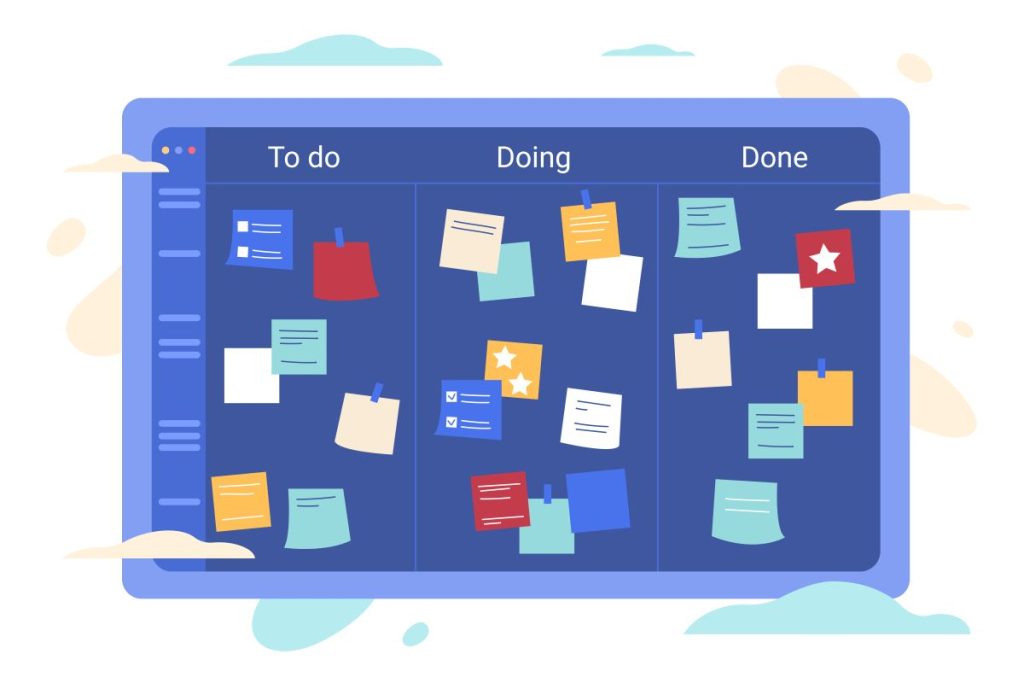
To stay focused:
- Break large goals into smaller tasks
- Identify high-impact activities
- Avoid multitasking across unrelated tasks
Prioritization ensures that your daily work contributes directly to long-term business growth rather than scattered efforts.
4. Maintain a Clean and Efficient Digital Workspace
As your startup grows, so does the amount of digital clutter – documents, media files, presentations, and unused resources.
Over time, this can slow down your system and disrupt your workflow. Following practical tips to get more disk space on Mac helps maintain system performance, ensuring that your tools run smoothly even during demanding tasks.
A well-maintained digital environment allows you to:
- Access files faster
- Avoid unnecessary interruptions
- Work more efficiently on critical tasks
5. Use the Right Tools to Support Your Workflow
Modern startups rely heavily on digital tools to streamline operations.
Some essential categories include:
- Idea planning tools for structuring concepts
- Task management tools for tracking progress
- Collaboration tools for team communication
- Automation tools for repetitive processes
The right combination of tools reduces manual effort and allows founders to focus on strategic decisions rather than operational bottlenecks. In addition to traditional tools, many startups are now integrating solutions like an ai voice agent to handle repetitive communication tasks such as answering inquiries or guiding users. This not only improves response time but also frees up valuable time for founders to focus on core business activities.
6. Build a Repeatable Workflow System
Consistency is key to long-term productivity. Instead of relying on motivation, create a system that works daily.
A simple workflow might look like:
- Capture ideas instantly
- Organize them into structured plans
- Prioritize actionable tasks
- Execute and review progress
Repeating this cycle ensures steady progress and prevents ideas from being forgotten or mismanaged.
Conclusion
Managing ideas and tasks efficiently is one of the most important skills for any startup founder. With the right systems in place, you can turn scattered thoughts into structured plans and consistent action.
By combining smart idea management, proper organization, and a well-optimized digital workspace, entrepreneurs can reduce friction and focus on what truly matters – building and growing their business.